
Hiya tumblr, it’s me, Dennywise. Would you like your pancake back?
Take it.
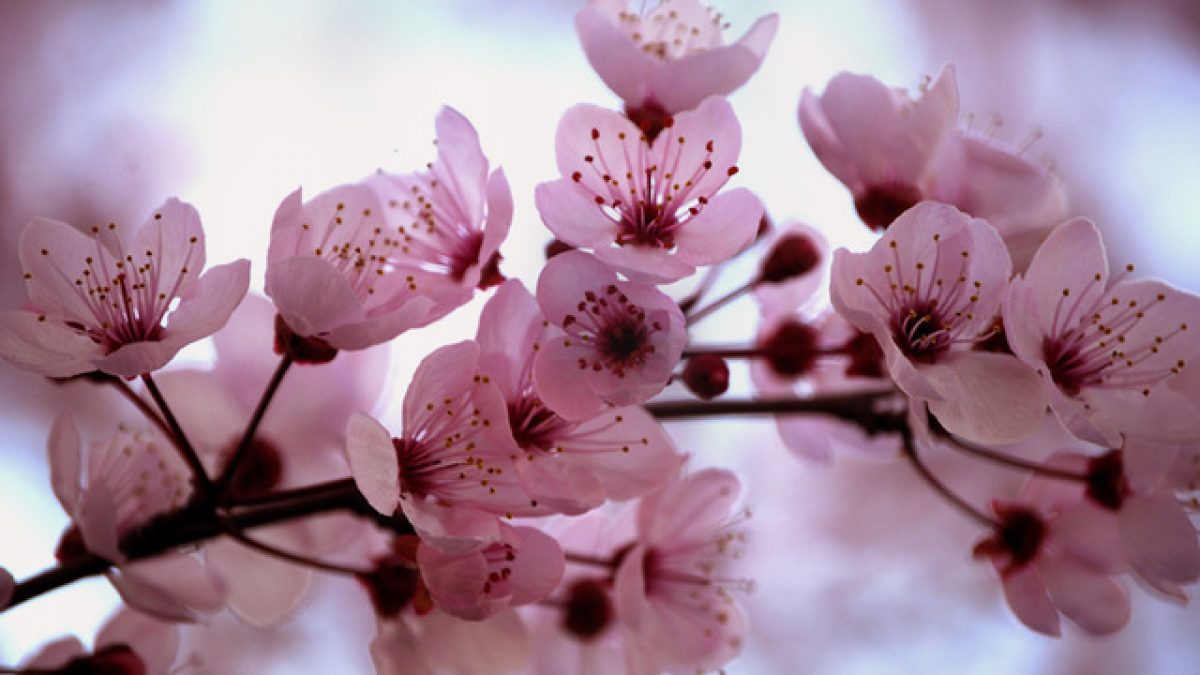

Like = 1 Boop
Reblog = 1 Boop
Like & Reblog = 3 BoopsIf blues clues have taught me anything this puppy is a clue.
Hoo boy, it’s been a while since I had to worry about this sort of thing, but I think I can give some pointers:
- Obviously, first make sure you know the portfolio requirements for the place(s) you’re applying to and follow them. No matter how strong your work is, if you mess this part up, you’re still demonstrating that you don’t know how to follow instructions. All my other advice is secondary to this.
- Everything in your portfolio should be your strongest work. Your absolute best pieces should be at the start of the portfolio, with one last especially strong piece at the end.
- Keep in mind that the people reviewing your work have a limited amount of time, so don’t feel the need to include every bit of art you like. Focus on the strongest ones, like I said before. It’s better to have a smaller portfolio full of impressive pieces than a larger one with overall lower quality.
- Unless the rules of the place you’re applying state otherwise, you should include a selection of different types of art to showcase your different abilities. Observational drawings are a must, but otherwise, it’s up to you. Illustration, comics, paintings, digital, collage, whatever you’re best at and want to pursue at the school you hope to attend.
- If you’re including comic pages, make sure they’re consecutive so that the reviewer can easily get a feel for your storytelling abilities. (Two or three pages are usually enough.) Similarly, if you have other works selected from a longer series—like illustrations from the same story—present them together for the best impact.
- Present your work neatly and professionally. Don’t be that one person who comes in with your drawings stuffed in a three-ring binder. If you need a physical portfolio, you can get an affordable black plastic one from basically any art supply store. Don’t bother splurging on a fancy leather one.
- During an in-person review, resist the urge to make excuses for weaknesses in your art or defend yourself against criticism. Trust that the reviewer knows what they’re doing and let the work speak for itself. If they ask questions, of course answer them, but don’t get in your own way. Be gracious in taking all constructive criticism. They want students willing to learn.
I hope that helps!
Well, not specifically. There’s no special trick to it. You have to hone your powers of observation and just practice drawing clothes. With TF2, you at least have the advantage of being able to read design notes from the team at Valve to see what they were thinking and look at reams of concept art. Another thing you can try is looking at the artists that influenced the look of the thing you’re studying, so instead of just looking at TF2 art, also get a feel for classic American illustrators J.C. Leyendecker, Dean Cornwell, and Norman Rockwell.
Just looking at the line-up of the mercs, I could boil down their aesthetic to “streamlined cartoony mid-20th-century, relying on strong silhouettes and absurd stereotypes to instantly communicate each character’s function.” That right there gives you a few places to start.
Don’t try to design anything from the top-down until you have a really good understanding of your fundamentals. Instead, start from the bottom-up and build on what you know about the setting and your character’s needs. That way, things will fall into place much more naturally.













 AngelMihe